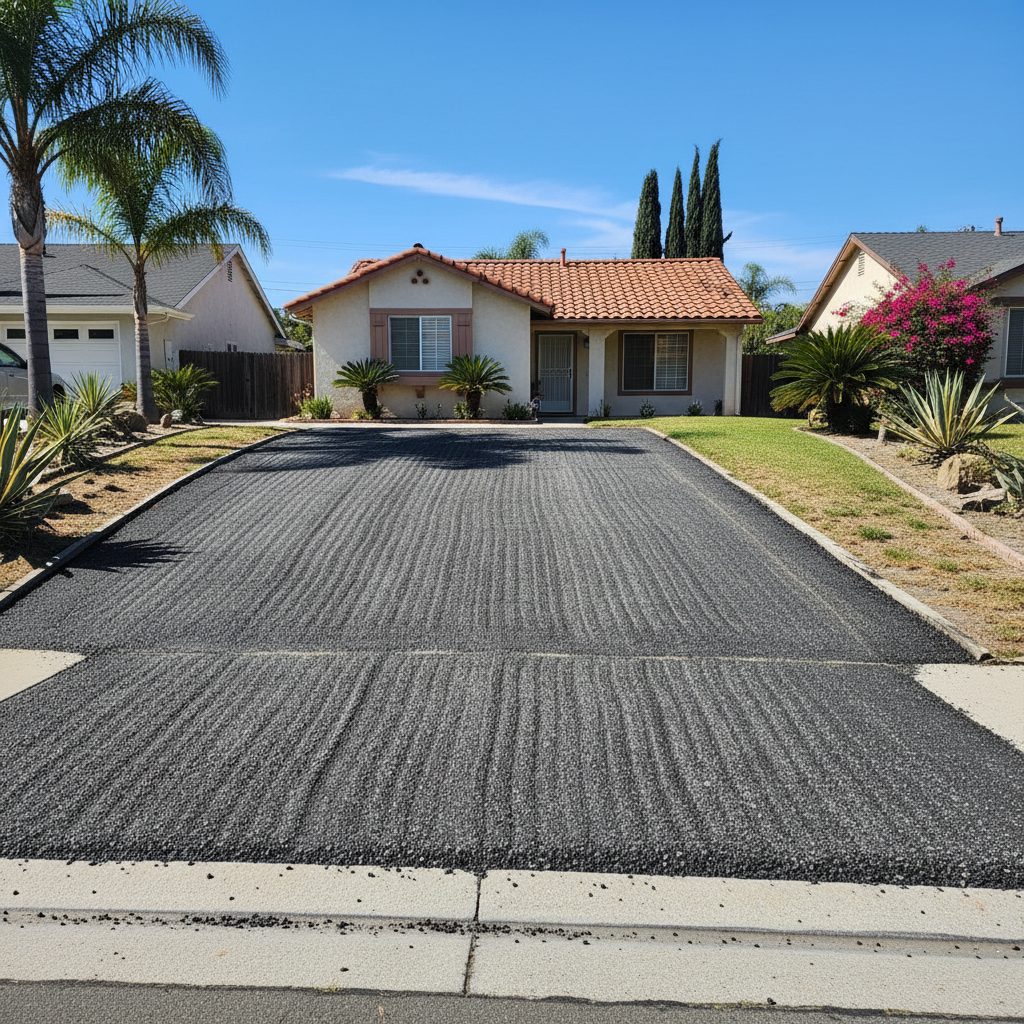
So, you're thinking about asphalt milling. Maybe your parking lot has seen better days, or that private road of yours is starting to look like a patchwork quilt. Milling is often the smart first step before repaving, especially when you've got structural issues or need to keep things at a specific grade. It's not just about tearing things up, you know; it's really about getting a solid, stable base ready for new asphalt.
What Exactly Is Asphalt Milling?
Before we get into the nitty-gritty of costs, let's quickly go over what milling actually is. Basically, picture a giant, super-precise planer for asphalt. A specialized machine grinds off the top layer of existing asphalt, leaving behind a textured surface. That texture is perfect for new pavement to bond to. We can mill just a few inches or go much deeper, depending on how your current pavement looks and what the final project needs.
What Makes Asphalt Milling Cost What It Does?
You want numbers, and I'll give 'em to you, but first, you've gotta understand what makes those numbers jump up or down. It's definitely not a one-size-fits-all kind of deal.
- Depth of Mill: This is a big one. Are we just skimming off an inch or two to smooth things out, or are we digging down four, five, even six inches to fix deeper problems? The deeper we go, the more material we remove, and naturally, the longer it takes.
- Total Square Footage: Pretty straightforward, right? A bigger area means more work, more time, and more material to haul away.
- Accessibility: Can our big milling machine get in there easily? Tight corners, steep grades, or obstacles like light poles and drains can really slow us down. They often demand more precise, slower work, too.
- Material Hauling & Disposal: Once we mill that asphalt, it doesn't just vanish into thin air. We've got to load it up and haul it to a recycling facility. The cost of trucking and those disposal fees for reclaimed asphalt pavement (RAP) can really add up, especially for bigger jobs.
- Traffic Control: If we're working on a busy commercial lot or a public road, we might need flaggers, cones, and signage to keep everyone safe. That's an extra cost you'll see on the quote, plain and simple.
- Site Preparation & Cleanup: Sometimes we need to do a little prep work before milling, and a thorough cleanup afterward is always part of the job.
Typical Cost Ranges for Asphalt Milling in Brea
Alright, let's talk real numbers for Brea. Keep in mind, these are averages, and your specific project could be higher or lower. I'm talking about the milling itself, not the new asphalt that goes on top, by the way.
For most projects around here, you're probably looking at:
- Shallow Milling (1-2 inches): This is often for surface rejuvenation or minor grade adjustments. You might see prices in the range of $0.75 to $1.50 per square foot.
- Medium Milling (3-4 inches): This is more common for fixing moderate cracking or rutting before an overlay. Expect something like $1.50 to $2.50 per square foot.
- Deep Milling (5+ inches): If you've got serious structural issues or need to completely rebuild a section, we might go this deep. This could run you $2.50 to $4.00+ per square foot.
For a typical commercial parking lot in, say, the Olinda Village area, a 3-inch mill on 10,000 square feet could easily be in the $15,000 to $25,000 range, just for the milling, hauling, and disposal. Small residential driveways usually aren't milled; it's generally a full tear-out or an overlay instead.
What Should Your Quote Include?
When you get a quote from Ace Asphalt or any reputable contractor, make sure it's really clear about what you're paying for. A good quote should itemize or clearly state:
- The exact square footage to be milled.
- The specified milling depth.
- Costs for hauling away the milled material.
- Disposal fees for the RAP.
- Any necessary traffic control measures.
- Site cleanup after milling.
- A clear timeline for the work.
Don't just accept a single lump sum. You want to see the breakdown so you know exactly what you're getting.
How to Avoid Overpaying
Nobody wants to get fleeced, right? Here's how to make sure you're getting a fair shake:
- Get Multiple Bids: This is a no-brainer. Three bids is usually a good number. It helps you compare not just price, but also the scope of work and the contractor's approach.
- Understand the Scope: Make sure every contractor is bidding on the exact same work. If one guy is quoting a 2-inch mill and another a 4-inch mill, their prices will be wildly different, and you won't exactly be comparing apples to apples, will you?
- Ask About the RAP: Some contractors might try to cut corners by not properly disposing of the milled material. Ask where it's going. Reputable companies like Ace Asphalt recycle it.
- Check References & Reviews: See what other Brea businesses or homeowners have to say about their experience. A cheap price isn't a deal if the work ends up being shoddy.
- Don't Rush: If someone is pressuring you to sign today for a