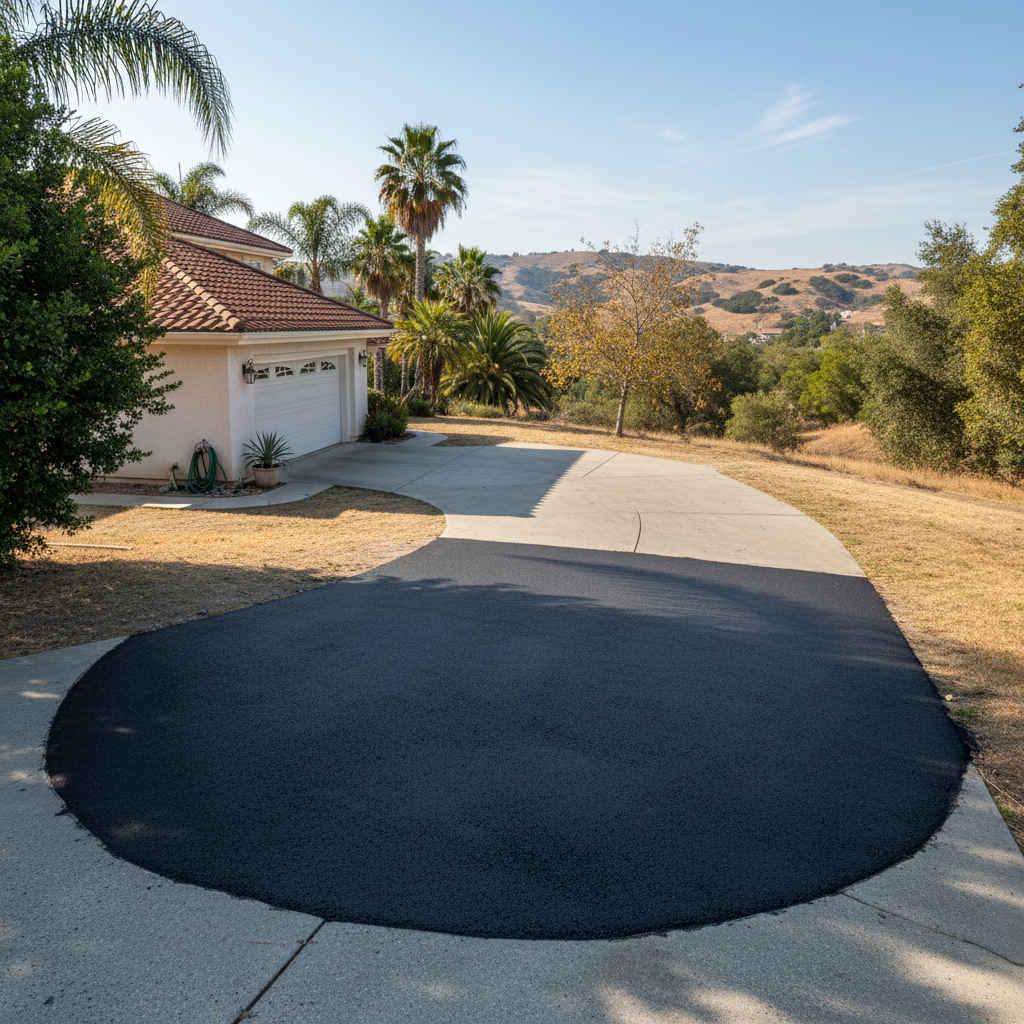
So, you've finally decided it's time to deal with that cracked or crumbling asphalt. Smart move. Ignoring those issues just makes them worse, and honestly, way more expensive later on. But before you jump in, you're probably wondering what this whole asphalt repair thing actually involves. I'm here to lay it all out for you, from start to finish, so you know exactly what to expect.
Setting Your Expectations: The Asphalt Repair Timeline
Let's talk about how long this takes. Most homeowners want to know how long their driveway will be out of commission. It's a totally fair question, especially if you've got kids, deliveries coming, or just need to get your car out every day. The truth is, it really varies a lot depending on how big the job is.
- Small patch jobs: If it's just a few potholes or some minor cracks, we're usually talking a few hours to a full day of actual work. You might even be able to drive on it the same day, or at least within 24 hours. That depends on the type of repair and, of course, the Brea weather — hotter days mean it sets quicker, which is nice.
- Larger resurfacing projects: When we're doing a full overlay or replacing a significant section, that's a bigger undertaking. The prep work alone can easily take a day. Then the paving itself might be another day. You're generally looking at 2-3 days where the area is actively being worked on, and then another 24-72 hours for it to cure before heavy traffic can use it.
- Full tear-out and replace: This is the big one, no doubt about it. We're talking multiple days here. Day one is for demolition and hauling away all the old stuff. Day two is for grading, compacting the base, and getting everything ready. Day three (or sometimes more, depending on the size) is for paving. You'll definitely need to stay off it for at least 3-5 days after paving, sometimes even longer if it's a commercial lot with heavy trucks.
Always get a clear timeline from your contractor. We'll give you a heads-up on what to expect for your specific project, naturally.
What Happens During the Repair Process?
When the crew shows up, what's actually going to go down? It's not just a bunch of guys slinging asphalt around, you know. There's a real process involved, and it's all designed to give you a durable, long-lasting repair.
First, we'll get the area ready. This might mean cleaning out cracks, cutting out damaged sections, or even grinding down high spots. We always make sure the base is solid, because a good foundation is absolutely everything. If the base isn't right, your new asphalt just won't last. Then, depending on the specific repair, we'll put down a tack coat – think of it like glue for the new asphalt – and then lay down the hot mix. We use specialized equipment to spread and compact the asphalt, making sure it's smooth and dense. For smaller patches, we might hand-tamp it. For larger areas, we'll bring in the rollers. It's noisy, it's hot, and yes, it smells like asphalt, but that's how we get the job done right.
How to Prepare Your Property for the Crew
You don't need to do a ton, but a little prep on your end really helps us work efficiently and keeps your property safe.
- Clear the area: Move cars, boats, RVs, trash cans, planters — anything that's on or near the asphalt we're working on.
- Trim back foliage: If you have bushes or trees hanging over the edge of your driveway, give them a trim. It gives us room to maneuver equipment and keeps your plants from getting damaged.
- Pets and kids: Keep them inside or safely away from the work zone. Hot asphalt and heavy machinery are no joke, seriously.
- Sprinklers: If you have sprinklers near the edge, make sure they're off for the day and maybe even marked so we don't accidentally hit them.
- Access: Make sure we have clear access to the work area. If there's a gate, please unlock it.
We'll handle the rest, but these small steps make a huge difference.
Smart Questions to Ask Before Signing That Contract
Before you shake hands and sign on the dotted line, you need to be sure you're working with the right folks. Here are some questions I'd ask if I were in your shoes:
- Can I see your license and insurance? Don't just take their word for it. A reputable contractor, like Ace Asphalt, will have no problem showing you.
- What exactly does the quote include? Make sure there are no hidden fees. Does it cover material, labor, equipment, and even disposal?
- What's your warranty on the work? A good contractor stands behind their repairs, plain and simple.
- How long have you been doing asphalt work in Brea? Experience with our local soil conditions, especially the expansive clay we sometimes see in areas like the Olinda Ranch, is crucial. It really affects how the base is prepared.
- What's the estimated start and completion date? Get a clear idea of the timeline.
- How will you protect my property (e.g., landscaping, garage door)? They should have a plan for this.
- What's the payment schedule? When are deposits due, and when do you expect the final payment?
- Can you provide references? Talk to other homeowners they've worked for.
Asking these questions upfront saves you a lot of headaches later. You want to feel confident in your choice, right? A good asphalt repair job isn't just about fixing a problem; it's about protecting your investment and making your property look good for years to come.