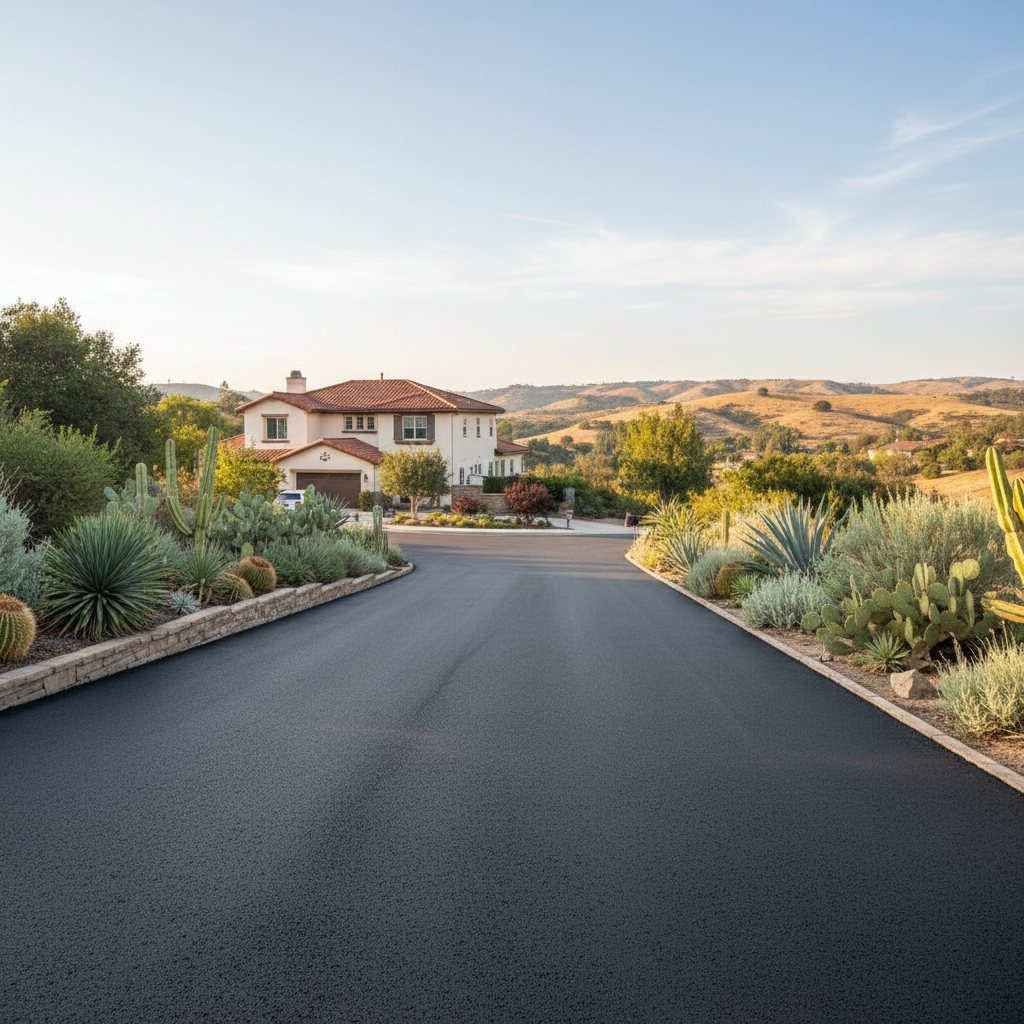
Running a business in Brea means you've got a lot on your plate. The last thing you need to worry about is your parking lot or access roads crumbling apart. But here's the thing: your commercial asphalt is a major investment, and our local weather plays a bigger role in its longevity than you might think. I've been doing this for a long time, and I've seen firsthand how ignoring the seasons can cost you a bundle.
When's the Best Time to Schedule Asphalt Work in Brea?
This is probably the most common question I get. Everyone wants to know the 'perfect' time. For major asphalt paving or repaving jobs, you're generally looking at the warmer, drier months. Think late spring through early fall. Why? Because asphalt needs consistent heat to cure properly. When we're laying down new material, we're working with hot asphalt. If it cools too quickly, or if there's too much moisture, it won't compact right, and you'll end up with a weaker surface. We're talking about temperatures consistently above 50°F, ideally closer to 70°F or 80°F, and no rain in the forecast for a few days after the job.
For smaller repairs, like patching potholes or crack filling, we've got a bit more flexibility. You can often get those done outside the peak season, as long as it's not actively raining and the temperatures aren't dipping too low. But if you're planning a full parking lot overhaul for your business down by the Brea Mall, don't wait until November. You're just asking for trouble.
How Brea's Weather Really Affects Asphalt
Our weather here in Brea is pretty mild compared to other parts of the country, but it's not without its challenges for asphalt. We don't get heavy snow, which is great, but we do get a few things that can really mess with your pavement:
- Heat: Our summer heat, especially those stretches where it hits 90°F or even 100°F, can make asphalt more pliable. This isn't usually a problem for established, well-cured pavement, but it's why you don't want heavy traffic on brand-new asphalt during a heatwave. It can also accelerate oxidation, making the surface brittle over time.
- Rain: Even though we don't get a ton of it, when it rains, it really comes down sometimes. Water is asphalt's worst enemy. It seeps into tiny cracks, and then when temperatures fluctuate, it expands and contracts, turning those tiny cracks into big potholes. Proper drainage is crucial. If your lot pools water, you've got a problem that needs fixing.
- Temperature Swings: This is a big one. We can have a warm, sunny day followed by a chilly night. These constant expansions and contractions put stress on the asphalt, leading to fatigue and cracking over time.
- Santa Ana Winds: While not directly damaging to the asphalt itself, these dry, hot winds can accelerate the drying out and oxidation of the asphalt binder, especially if your sealcoat is worn thin.
Protecting Your Commercial Asphalt Year-Round
You've invested good money in your commercial property, and that includes the asphalt. Here's how you keep it looking good and lasting longer:
- Regular Inspections: Walk your lot once a month. Look for new cracks, potholes, or areas where water is pooling. Catching these issues early saves you a ton of money down the line. A small crack can turn into a major pothole surprisingly fast.
- Sealcoating: This is your asphalt's sunscreen and rain jacket. A good sealcoat every 2-3 years (depending on traffic and wear) protects the asphalt binder from UV rays, water, and chemicals. It keeps the surface flexible and extends its life significantly. It's preventative maintenance, pure and simple.
- Crack Filling: Don't ignore those hairline cracks. Get 'em filled. It's a relatively inexpensive repair that prevents water from getting under the surface and causing much bigger problems.
- Proper Drainage: I mentioned it before, but it bears repeating. If your parking lot isn't draining correctly, you're going to have issues. Puddles mean water is sitting there, eroding the surface and weakening the base. We can often fix drainage problems with minor asphalt adjustments.
- Sweeping and Cleaning: Keep your lot free of debris, especially sharp objects that can damage the surface. Oil and gas spills should be cleaned up quickly, as they can break down the asphalt binder.
- Line Striping: While it seems purely aesthetic, clear line striping helps direct traffic, preventing unnecessary wear and tear from vehicles driving haphazardly or making sharp turns in unintended areas. It also keeps your business looking professional.
Look, your commercial asphalt isn't just a surface; it's the first impression many of your customers get of your business. Keeping it in good shape isn't just about curb appeal; it's about safety, liability, and protecting a significant asset. If you're seeing issues or just want to get on a good maintenance schedule, give us a call at Ace Asphalt. We're right here in Brea, and we know these streets.