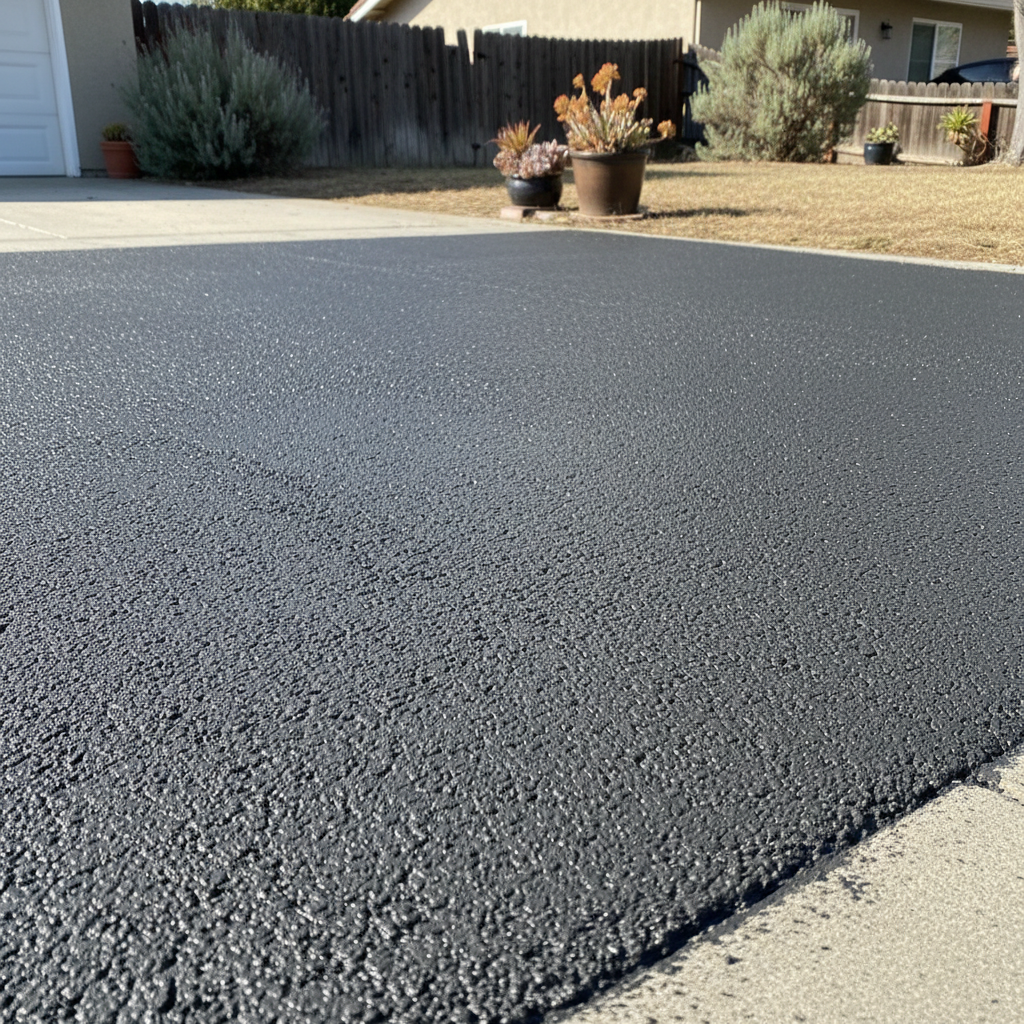
Alright, let's talk about slurry coating. Maybe you've got an asphalt driveway, and it's looking a little faded, or perhaps it's developed some tiny cracks, or just needs a good refresh. Slurry coating, which some folks also call sealcoating, is often just the ticket. Think of it like putting a fresh coat of paint on your house, but for your asphalt instead. It really helps protect it from the sun, water, and all that traffic wear, making it last longer and look a whole lot better, too.
So, What Exactly *Is* Slurry Coating?
Basically, it's a protective layer we apply right over your existing asphalt. It's usually a mix of asphalt emulsion, water, some mineral fillers, and a few other additives. When it dries, it forms this durable, black surface that seals up those small cracks, brings back the color, and really extends the life of your pavement. You could say it's like sunscreen and a moisturizer for your driveway.
Before You Even Think About It: Prep is Absolutely Key
This is honestly where most DIY jobs go wrong, and they go wrong fast. You can't just hose down your driveway and start sloshing stuff on. Proper preparation is non-negotiable, whether you're tackling it yourself or bringing in Ace Asphalt.
- Clean, Clean, Clean: Your driveway needs to be spotless. And I mean *spotless*. You'll need to sweep, blow, and pressure wash off every single speck of dirt, oil, and debris. Any oil spots? Those need to be treated with a primer or removed entirely, otherwise, your slurry just won't stick.
- Crack Repair: Got small cracks? You'll definitely need to fill them. Hairline cracks might get sealed by the slurry itself, but anything bigger than a quarter-inch needs a proper crack filler. Don't even think about skipping this step. If you don't fill them, water gets in, freezes (not often in Brea, but it happens on cold winter nights!), expands, and turns those small cracks into big, ugly potholes.
- Edge Control: Make sure grass and weeds aren't creeping into the asphalt edges. Trim them back, pull them out. You're aiming for a clean boundary here.
- Weather Watch: This is a huge one, especially for us here in Brea. You need at least 48 hours of dry weather, ideally with temperatures above 50°F and below 90°F. Applying slurry when it's too cold, too hot, or if rain is on the way, is just asking for trouble. It won't cure right, it'll peel, or it'll just wash away. I've seen folks try to rush it before our afternoon marine layer rolls in, and, well, it just doesn't work out.
DIY vs. Calling a Pro: Where Do You Draw the Line?
Okay, so you've prepped everything. Now what? Can you actually do this yourself?
The DIY Side:
If your driveway is relatively small, in pretty good shape (meaning no major cracks or potholes, just some fading), and you're the meticulous type, you *can* do it yourself. You'll need to pick up the slurry coating from a local hardware store or paving supply, along with squeegees, brushes, and all the safety gear. It's a lot of physical work, especially if you're not used to it. You'll be down on your hands and knees, spreading this thick, black material evenly. The biggest headache for homeowners is usually getting a consistent coat without streaks or puddles, and making sure those edges look sharp. It's also easy to miss spots or apply it too thin, which means it won't last as long.
When to Call Ace Asphalt:
Look, for most homeowners, especially with bigger driveways or if there are any existing issues beyond minor fading, calling a pro is just plain smarter. Here's why:
- Experience & Equipment: We've got the right tools for the job – commercial-grade squeegees, sprayers, and mixers that really ensure an even, consistent application. We know how to feather edges and get into those tight spots, too.
- Quality Materials: We use professional-grade slurry mixes that are often more durable and longer-lasting than what you'll find at a big box store. They're specifically formulated to stand up to our Southern California sun and the occasional heavy rain we get.
- Proper Repairs: If your driveway has significant cracks, potholes, or drainage issues, we're going to address those properly *before* applying the slurry. A slurry coat won't fix structural problems; it'll just cover them up temporarily. We'll make sure the underlying issues are handled first, you bet.
- Time & Effort: This isn't a quick afternoon job. It's physically demanding and takes time to do right. For most folks, their weekend is better spent enjoying Brea's Carbon Canyon Regional Park than wrestling with buckets of asphalt.
- Warranty: Most reputable contractors, like us, will stand behind our work. If something goes wrong, you've actually got someone to call.
During the Project: What to Expect
Whether it's you or us, the process involves applying the slurry in thin, even coats. Usually, we recommend two coats for the best protection and appearance. You'll need to block off your driveway completely. No driving, walking, or even letting pets on it for at least 24-48 hours, sometimes longer depending on the weather. It really needs to cure completely. Rushing this will leave tire marks, footprints, and just generally mess up the finish, which nobody wants.
After the Slurry: Maintenance Tips
Once it's cured, you've got a beautiful, protected driveway. To keep it that way for as long as possible:
- Give it Time: It might look dry after a day, but it honestly takes weeks for the slurry to fully harden and reach its maximum durability. Be gentle with it for the first month or so. Avoid sharp turns of your steering wheel while stationary, as this can scuff the new surface.
- Clean Regularly: Sweep off debris, hose it down periodically. Don't let oil or gas spills sit on it; clean them up immediately.
- Reapply as Needed: A good slurry coat typically lasts 2-4 years, depending on traffic, sun exposure, and the quality of the original application. Keep a close eye on it. When it starts to fade or show signs of wear, it's time to think about another coat.
Slurry coating is a great investment in your Brea home. It keeps your driveway looking sharp and protects your asphalt, saving you money on more expensive repairs down the road. Just make sure you're doing it right, or you're hiring someone who will.