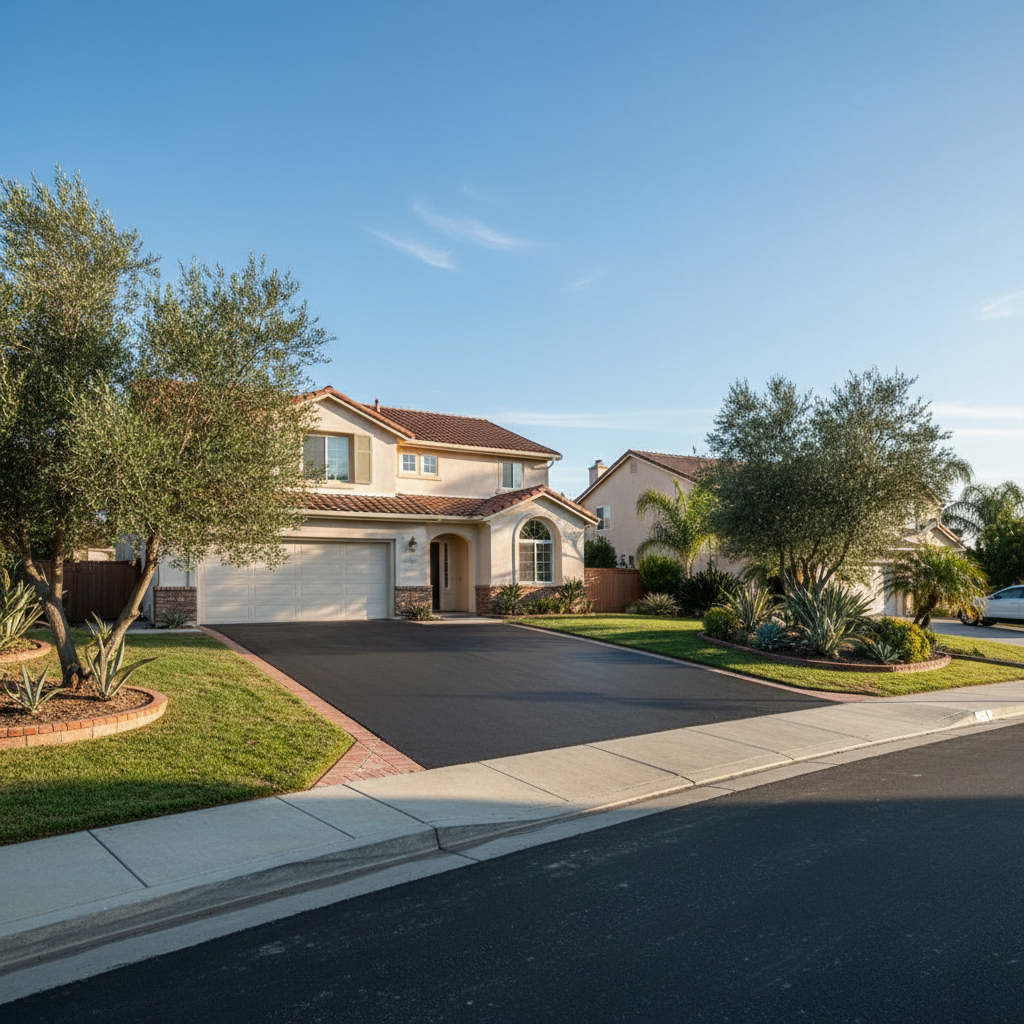
Ever wonder why your asphalt driveway seems to take a beating, even when we don't get much rain? It's not just the sun, though that definitely plays a big part. Our Brea weather, with its hot, dry summers and those heavy winter downpours we sometimes get, really puts residential asphalt through its paces.
When's the Best Time for Asphalt Work?
This is probably the most common question I hear. You'd think summer, right? Hot weather helps asphalt cure. And you're not wrong about that, but there's a real sweet spot. For major paving or resurfacing jobs, I usually tell folks to aim for spring or fall. Temperatures are typically moderate then – not too cold, and definitely not scorching hot. This gives the asphalt time to settle and cure properly, without getting hit by extreme heat right away, which can make it soft and more easily damaged by vehicles.
Now, if you're thinking about sealcoating, that's absolutely a job for warmer, dry weather. You need a good 24 to 48 hours of consistent temperatures above 50°F, ideally closer to 70°F, and absolutely no rain in the forecast. That's why you'll often see Ace Asphalt crews out there sealcoating a lot in late spring and early fall. We're trying to hit that perfect window before the June gloom gets too thick or the Santa Ana winds really kick up.
Weather Woes: What Affects Asphalt Jobs
You can't just lay asphalt anytime; it's a pretty precise science, and weather plays a huge role. Here's what we're always watching:
- Temperature: If it's too cold, the asphalt mix won't compact right. It'll end up brittle and won't bond well. Too hot, and it can be tough to work with, sometimes leading to ruts way too soon. We're always looking for that Goldilocks zone.
- Rain: This is a big one, a deal-breaker really. You just can't pave on wet ground. Water trapped underneath the asphalt will cause problems down the line – cracking, potholes, you name it. If rain is in the forecast, we're rescheduling. Period. Even a light drizzle can mess things up.
- Humidity: High humidity can slow down how fast sealcoats cure. It's not as critical for paving, but we still keep an eye on it.
- Wind: Strong winds can make it tough to keep the asphalt at the right temperature while we're paving. For sealcoating, wind can dry the product too quickly, which leads to an uneven finish, or even worse, blow debris onto the fresh coat.
Living here in Brea, especially in areas like the hills where you get more exposure, you know how quickly the weather can change. One day it's sunny and calm, the next you've got a blustery wind. We're always checking the forecast multiple times a day to make sure we're setting ourselves up for success on your driveway.
Protecting Your Driveway Year-Round
Alright, so you've got a nice, new asphalt driveway, or maybe you're just trying to extend the life of your existing one. What can you do?
- Sealcoating is Key: I really can't stress this enough. Think of sealcoat as sunscreen for your driveway. It protects against UV rays, water getting in, and even oil spills. I recommend sealcoating every two to three years for most residential driveways. It's a small investment that pays huge dividends, believe me.
- Address Cracks Early: See a crack? Don't ignore it. Even tiny hairline cracks are an open invitation for water to seep in, especially during our winter rains. Once water gets under there and freezes (not common in Brea, but it can happen during colder snaps) or just sits and weakens the base, you're looking at much bigger problems. Crack filling is relatively inexpensive and can prevent a full-blown pothole.
- Keep it Clean: Sweep off leaves, dirt, and debris regularly. Don't let oil or gas spills sit. Clean them up quickly with an absorbent material and a mild detergent. These chemicals can break down the asphalt binder over time.
- Manage Drainage: Make sure water drains away from your driveway, not onto it or pooling on it. If you've got downspouts dumping right onto the asphalt, maybe think about extending them. Proper drainage is crucial for preventing water damage.
- Avoid Heavy Loads: While asphalt is tough, repeatedly parking heavy RVs or commercial vehicles in the same spot can cause rutting or depressions over time. Try to spread out the weight or park on a more reinforced area if possible.
Your driveway is a big part of your home's curb appeal and functionality. Taking a little time to understand our local conditions and doing some basic maintenance will keep it looking good and performing well for years. If you've got questions about your specific driveway or need a quote for repairs or sealcoating, just give us a call at Ace Asphalt. We're always happy to talk shop.