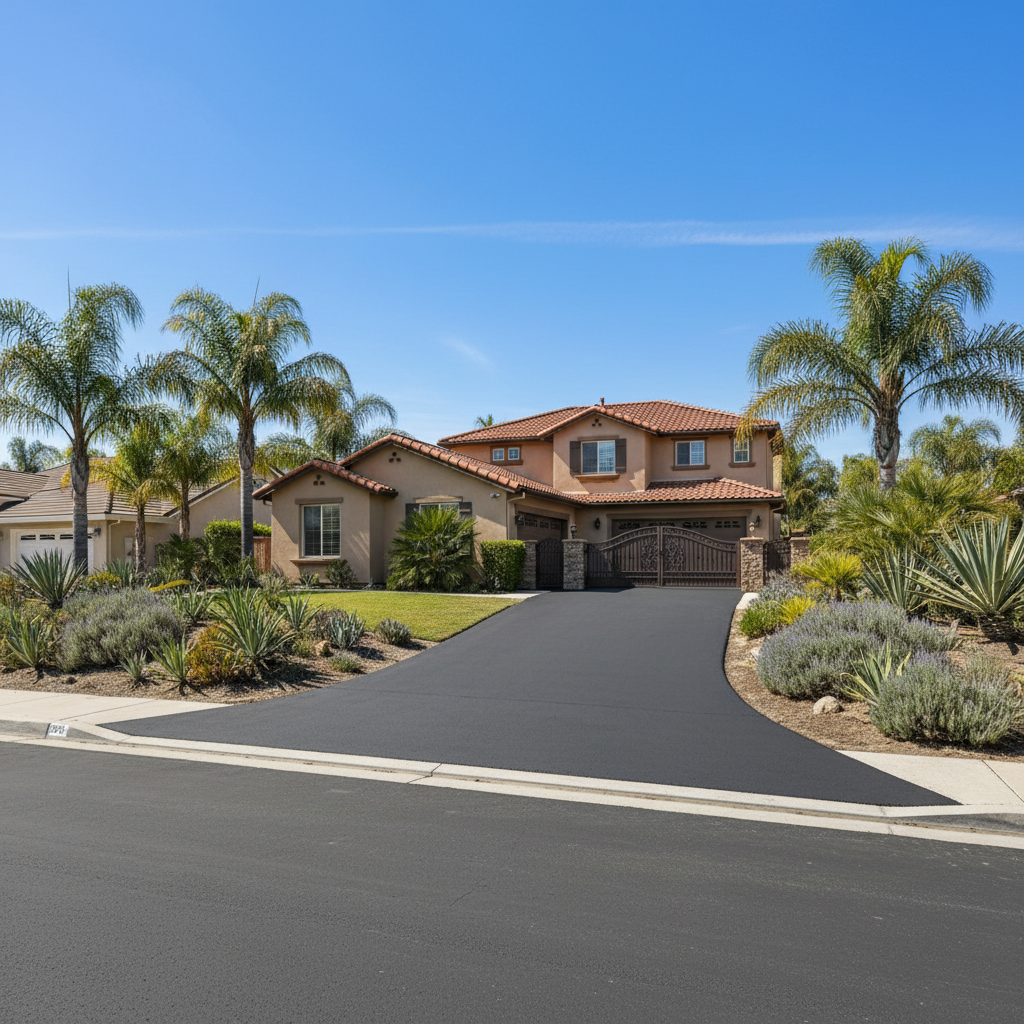
So, you're thinking about a new driveway? That's a big project, no doubt about it. And if you don't plan it out carefully, you're just asking for trouble down the road. I've seen it happen too many times: people jump in without really understanding all the steps involved. Let's talk about how to tackle this the right way, from beginning to end, so you wind up with a driveway you're truly happy with.
Setting Your Project Timeline
First things first: don't expect this to magically appear overnight. A good paving job takes time. You've got to factor in a few things even before the first shovel hits the dirt. Here's a rough idea of the timeline:
- Initial Research & Quotes (2-4 weeks): You'll definitely want to get at least three quotes. Don't just go for the cheapest option, either. Talk to the contractors, see if they really know their stuff, and check their references. This isn't a race; it's a significant investment.
- Permits (2-6 weeks, sometimes longer): This is a big one, folks. Depending on what you're doing — especially if you're changing the driveway's size or dealing with drainage — you might need a city permit. Brea's planning department can be pretty thorough, and trust me, you absolutely do not want to skip this step. Getting caught without a permit is far more expensive than just getting one in the first place.
- Scheduling (1-4 weeks): Once you've picked your contractor and got your permits squared away, you'll need to get on their schedule. Good contractors are usually busy, particularly during peak season (that's typically spring and fall, when the weather's just right).
- Actual Paving Work (3-7 days, for a typical residential driveway): This is the hands-on part. It involves preparing the site, grading, laying the base, and then the asphalt itself. This timeframe can shift based on your driveway's size and any specific challenges, like that clay soil we often see around the Olinda Village area that needs extra attention for proper drainage.
- Curing Time (minimum 2-3 days, up to a week): After the asphalt is laid, it needs to cure. You can't just drive on it right away. Your contractor will tell you exactly how long to wait, but plan on keeping cars off it for at least a few days.
So, all told, you're looking at anywhere from two to four months from when you first start thinking about it to when you're finally driving on your new asphalt. Plan ahead, especially if you have a specific event or deadline in mind.
What to Expect During the Paving Process
Once we actually kick off the project, here's what you'll typically see happening:
- Demolition and Excavation: If you've got an old driveway, we'll rip it out. Then we'll dig down to the right depth for your new base. This can get pretty noisy and dusty, so be prepared.
- Grading and Drainage: This part is super important. We'll make sure the ground slopes correctly, directing water away from your house and any other structures. Good drainage prevents pooling water, which is the absolute enemy of any driveway.
- Base Preparation: We'll lay down a compacted aggregate base. This is your driveway's foundation, and it needs to be solid. We'll compact it thoroughly to ensure everything is stable.
- Asphalt Application: This is when the hot asphalt arrives. We'll spread it evenly, making sure it's at the correct thickness, and then compact it with rollers. This usually happens in one or two layers, depending on the job.
- Cleanup: Once the paving is finished, we'll clean up the site, removing debris and making sure everything looks tidy.
It's a pretty structured process, all in all. There will be heavy equipment, noise, and people working on your property. Just be ready for that temporary disruption.
How to Prepare Your Home and Property
Before the crew even shows up, you can do a few things to make the whole process smoother for everyone involved:
- Clear the Area: Move your cars, trash cans, planters — anything that's in or near the driveway. We really need a clear workspace.
- Inform Neighbors: Give your neighbors a heads-up. They'll appreciate knowing about the noise and any potential temporary access issues.
- Secure Pets: Keep pets indoors or in a secure area away from the work zone. Heavy machinery and open gates aren't a good mix for curious animals, are they?
- Access to Utilities: Make sure we know about any sprinkler heads, buried dog fences, or utility lines near the driveway. Mark them if you can.
- Alternative Parking: Plan where you'll park your vehicles for the duration of the project and during the curing time.
A little preparation on your end really helps keep the project on schedule and prevents any unexpected issues.
Questions to Ask Before You Sign That Contract
Don't just sign on the dotted line without asking some tough questions. This is your money, after all, and you deserve to know exactly what you're getting. Here are some things I'd definitely ask:
- What's your experience with residential driveways specifically in Brea? You want someone who understands local conditions, like our soil types and how the Brea heat affects asphalt. Ace Asphalt, for example, has been doing this for years right here in Orange County.
- Can you provide references from recent driveway projects? And actually call them. Ask about communication, timeliness, and if they'd hire them again.
- What's included in the quote? Is it just the asphalt, or does it cover excavation, base material, grading, and cleanup? Get everything in writing.
- What kind of base material will you use, and how thick will it be? The base is crucial. Don't let anyone skimp on this.
- How thick will the asphalt layer be? For a residential driveway, you typically want at least 2-3 inches of compacted asphalt.
- What's your warranty on the work? A reputable contractor will stand behind their work.
- Are you licensed and insured? Ask for proof. Don't work with anyone who isn't; you're taking a huge risk if you do.
- What's the payment schedule? Never pay the full amount upfront. A reasonable payment schedule usually involves an initial deposit, progress payments, and a final payment upon completion and your satisfaction.
- How do you handle unforeseen issues? Sometimes things just come up. You want to know how they'll communicate and resolve them.
Getting a new driveway is a big deal for your home. Take your time, ask the right questions, and choose a contractor who gives you confidence. You'll definitely be glad you did.